Kikuyu Through Everyday Conversations: Mastering Basic Interactions

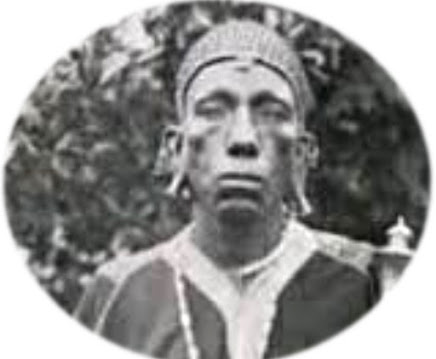
A Kikuyu man in 1910
Karibũ! Welcome to a practical approach to learning Kikuyu. Immersing yourself in everyday conversations is a fantastic way to grasp the language as it's actually spoken. In this section, we'll explore several common dialogues you might encounter in daily life in Kenya. By examining these exchanges, along with their vocabulary breakdowns, you'll begin to understand sentence structure, common phrases, and essential words used in various situations. Pay close attention to the pronunciation guides, and don't hesitate to practice these dialogues aloud. Let's dive in and start building your conversational Kikuyu skills!
Section 1: Essential Daily Exchanges
Dialogue 1
A passenger is looking for transport to Kariobangi – Pronounced Karũibang’i in Kikuyu.
1. Wathiĩ kũ mũthii? Where are you going?
2. Ndathiĩ Karũibang’i. I am going to Kariobangi
3. Haica ngari ĩĩrĩa. Ĩno nĩ ya mathare. Take that vehicle. This one goes to mathare.
4. Nĩ ngatho. Thanks.
5. ĩno nĩ ya karũibangi? Is this one to Kariobangi?
6. Ĩĩ nĩ yo ingĩra naihenya, mĩtũkĩ mĩtũkĩ mama. Yes it is, get in quickly quickly Mama.
7. Nyita guoko ndikagwe. Hold my hand so I don’t fall.
8. Ĩkarĩra gĩtĩ gĩkĩ na ũrehe mbeca. Sit on this seat and bring the money.
9. Ni cigana? How much?
10. Ciringi mĩrongo ĩtano. Fifty shillings.
11. Hĩ! Karĩ goro atĩa? My!How expensive?
12. Ti goro mama nĩguo tũrĩhagia. It is not expensive, that is what we charge.
13. Ke igana rĩmwe ũnjokerie mĩrongo ĩtano. Take this one-hundred shillings and give back fifty shillings.
Vocabularly
Mũthii - traveller
Haica – climb, uma – get out
Ngatho - gratitude
Nyita - hold
Mĩtũkĩ, naihenya – quickly, with speed
Mbeca, mbia - money
Gwa – fall, Kũgwa to fall
Goro – Expensive, raithi – cheap
Cokia – return, Njokeria – return to me, Mucokerie
Dialogue 2 - Two strangers have just met
1. We - You
2. Nĩwaragia rũthiomi rwa Gĩkũyũ? Do you speak the Kikuyu language?
3. We wĩ Mugĩkũyũ? – Are you a Kikuyu?
4. We wĩ Mũndũ wanja? – Are you a female?
5. Kana wĩ mũndũrume? – Or are you a male?
6. We wĩ mũndũ mũru – You are a bad person.
7. Wĩtagwo atĩa – What is your name?
8. Kwanyu nĩ kũ? – Where is your home?
9. Kwanyu nĩ Thĩka – Is Thika your home?
10. We wĩ mũndũ mũkuhĩ mũno – You are a very short person.
11. Ũrutaga wĩra kũ – where do you work?
12. Nĩũreruta kwaria gĩthweri? Are you learning to speak Kiswahili?
13. Thiĩ kwanyu na wega – Go home in peace (farewel)
14. Na ũgeithanie – and pass my greetings.
Section 2: Commerce and Communication:
Dialogue 3
A shopkeeper and a customer
Mwendia wĩ mwega? How are you seller?
Ndĩmwega mũno Njeri. Uga. I am very fine Njeri. Say.
Nyenderia cukari kiro igĩrĩ na macani ma kiro ĩmwe. Sell to me two kilos of sugar, and one kilo of tea leaves
Ũyũ cukari; maya macani. Here is the sugar: here are the tea leaves.
Na matumbĩ matandatũ. And six eggs.
Kaĩ ũtarĩ wanina mũtu kuma rĩrĩa wagũrire. Haven’t you finished the flour since you bought it.
Wa ngano ndũthiraga naihenya. Wheat flour doesn’t get finished fast.
Ĩ mũtu wa mbembe? What about Maize flour?
Hĩ! Na ni weka wega nĩ kũndirikania. He wa kiro igĩrĩ. Wow! You have done a good thing to remind me. Give me two kilos.
Ũyũ mũtu. Nĩ ũguo ndare? Here is the flour. Is that all so I may add up?
Asha. Ndĩna ageni na ndirĩ na iria. Rehe mbagiti ithatũ. No . I have visitors but I don’t have milk. Give me three packets.
Nĩndatara. Rehe magana mana ma mirongo itatũ. I have added up. Give me four hundred and thirty.
Ke Magana maya matano. Take this five hundred.
Ke cĩnji – mĩrongo mũgwanja. Take your change – seventy shillings.
Nĩ ngatho. Nĩtũonane hĩndĩ ĩngĩ – Thanks. See you another time.
Dialogue 4
Mũici wa ũtukũ – the night thief
1. Ira ndiraire toro – I did not sleep last night.
2. Nĩkĩ? Kaĩ ũrarĩ na wĩra ũrĩkũ? – Why? What work did you have?
3. Atĩ wĩra. Ndũkire ngũhe ũhoro - Work? Keep quiet as I tell you
4. Thiĩ na mbere - continue
5. Ndĩrarugire ngima, ndĩrarĩa na tũnyeni – I made some ugali, and ate it with some greens
6. Ũrarĩa na tũnyeni? Ndũrarĩ na kanyama? - You ate with some greens? Did you not have some meat?
7. Tiga itherũ. Ũyu nĩ ũhoro wa kĩeha - Stop jokes. This is a grave matter.
8. Hĩ! He ũhoro - Wa! Tell me (give me the information)
9. Ndinathambia indo. Ndĩroi ngũcithambia rũciine - I did not was the dishes. I thought I would do that this morning.
10. Ũracitiga maĩini - So you left them in the water.
11. One ũguo. Ndirathiĩ gũkoma - Exactly. So I went to sleep
12. Urarĩ mũnogu mũno - You were very tired?
13. Ndĩrarĩ mũnogu reke ngwĩre – I was tired, I tell you.
14. Ndĩraigwire mũndũ arũgamĩte oharĩa ndĩ – I heard someone standing near me
15. Kaĩ ũrarotaga? - Were you dreaming?
16. Kũrota? Katarĩ mũici ũrarũgamĩte oharĩa ngomete – Dreaming? It was a thief, standing right where I was sleeping.
17. Kaĩ ũtanahinga mũrango? - Did you not lock the door?
18. Nĩũndũ wa mĩnoga rĩ, ndinahinga nyũmba – Due to tiredness, I did not secure the house.
19. Arendaga atĩa? - What did he want?
20. Thimũ, terebiceni, mũtũngi wa ngathi, na mbeca iria ciothe ndĩrarĩ nacio – Phone, television, gas cylinder, and all the money that I had.
21. Ũrarĩ na cigana? - How much did you have?
22. Ngiri ikũmi na ĩmwe na Magana mũgwanja – Eleven thousand, seven hundred.
23. Nĩũthiĩte borithi? - Have you been to the police?
24. Asha. Ndwara kuo oro rĩũ - Not yet. Take me there right now.
Vocabularly – Brackets indicate alternative meaning.
Ira – Yesterday (snow)
Kũrara – to spend the night. Ndiraire – I did not spend the night
Toro – sleep (as a noun), Thiĩ toro – go to sleep, E toro – he/she is sleeping
Koma – Sleep (as an adjective) - Thiĩ ũkome - go to sleep, Nĩ akomete - he/she is sleeping
Nĩkĩ?- why?, Nĩkĩĩ? - what is it?
Ũrarĩ – you were, kaĩ ũrarĩ – were you?
Wĩra ũrikũ – which work? Ngari ĩrĩkũ? - which car?
Nguo irĩkũ? - which clothes? Maĩ marĩkũ? – which water?
Mwaki ũrĩkũ? - which fire? Gĩthomo kĩrĩkũ? which lesson?
rĩu – now, oro rĩu - Just now (right now)
Section 3: Building Blocks of Kikuyu: People and Relationships
Dialogue 5
Andũ mwanya mwanya - Diferent persons
1. Niĩ – me; Niĩ mwene – I myself (emphatic); Niĩ ũyũ – here I am
2. Wee – You; wee mwene ; Wĩ kũ (Wĩ ha)? – where are you?
3. We (short vowel) – him/her; We mwene; eha? – where is he/she?
4. Inyũĩ – You (plural); Inyũĩ ene; Mwĩha? – where are you?
5. O (short vowel) – them; o ene; Meha – where are they?
6. Mũndũ– person; Kamũndũ – small person; Kĩmũndũ
Andũ – people; tũmũndũ – small people; imũndũ – big people
7. Mwana – child; Kana – small child; Kĩana; big child
Ciana – children; Twana- small children;
8. Mũiretu – girl; kairĩtu- small girl; kĩirĩtu – big girl,
Airĩtu – girls; Tũirĩtu – small girls
9. Mwanake – young man; kĩmwana – big young man
Anake – young men; Imwana – big young men
10. Mũndũrũme – a man; mũrũme – husband
Arũme – men
11. Mũndũmũka (muka) – woman; Mũtumia – married woman
Aka – women; Atumia – marriedwomen
12. Mũthuuri – old man (husband); Mũthee – old man
Athuuri – old men (husbands)
13. Guka – grandfather; Gacũkũrũ (gacũcũ) – Grandchild
Maguka – Grandfathers; tũcũkũrũ (tũcũcũ) - grandchildren
14. Cũcũ – Grandmother; Nyakĩnyua – Fairly old woman (who is allowed to take alcohol).
15. Mũingĩ – crowed of people
16. Mũteti – politician; Mũgo – diviner priest; Mũrathi – seer; mũrogi – witch/wizard
Ateti; Ago; Arathi; Arogi – plurals for no. 16 above
17. Mũrigiti (ndagitarĩ) – doctor;
18. Mũndũ mũirũ – African (Black person); Mũthũngũ – Eropean (any white person); Mũhĩndĩ – Indian (any asian).
Dialogue 6
Ciana na nyina – children and their mother
1. Kamau kinya magego – Kamau, brush your teeth
2. Nĩndĩmakinyĩte. Rĩu nĩ nguo ndĩrehumba – I have already brushed them, I am now dressing
3. Ĩ wee njeri nĩkĩĩ ũreka? – and you Njeri, what are you doing?
4. Ndĩrabanga mabuku makwa mũhukoinĩ – I am arranging my books in the bag.
5. Ukai mũnywe cai naihenya mũtanacererwo – come (plural) and take (plural) tea quickly before you (plural) are late.
6. Nĩtũnyuĩte maitũ – We have taken it, mother.
7. Kiumei mũthie kwĩ ithe wanyu – Then get out and go to your father
.............................................................................................................................................................................................
🧠 Want to deepen your understanding of Kikuyu beyond vocabulary? Ngũgĩ wa Thiong’o’s Kenda Mūiyūru reimagines our origin stories using rich, poetic Gĩkũyũ—a rare window into language, metaphor, and meaning.

In his debut venture into epic literature, Ngũgĩ presents the origin story of Kenya’s Gĩkũyũ people through a distinctly feminist lens. Historical accounts suggest that the Kikuyu once adhered to matrilineal and matriarchal structures in ancient times. This poetic narrative weaves together folklore, myth, adventure, and allegory. Kenda Mūiyūru follows the Gĩkũyũ founder’s journey to secure worthy partners for his ten radiant daughters—collectively known as “Kenda Mūiyūru” (The Complete Nine)—and the trials imposed on the 99 suitors vying for their hands. Packed with suspense, danger, wit, and sacrifice, the epic embodies all the hallmarks of a classic adventure.
Disclosure: As an Amazon Associate, I earn from qualifying purchases. If you use the links above, I may receive a small commission at no extra cost to you. This helps support my work in sharing Kikuyu language and culture!
Vocabulary
Mwana – child; Ciana- children
Gũkinya magego – to brush teeth, mũkinyi – Toothbrush,
Kwĩhumba – to dress, Mwĩhumbĩre – style of dressing, matonyo - fashion
Maitũ/mami – mother, Nyina – his/her mother, nyũkwa – your mother
Mwari wa maitu – my sister (My mother’s daughter), Mwari wa nyina, Mwari wa nyukwa
Baba – Father, ithe – his/her father, ithe witũ – our father, Thogwo – your father
Mũrũ wa baba – Brother (my father’s son – used for stepbrother), Mũrũ wa ithe, Mũrũ wa thogwo
Kũbanga – to arrange, to pack,
Uma – come out, Umai – come out (plural), Kiume – then come out, kiumei – then come out (plural)
Tata – Auntie (on mother’s side), Mama – uncle (on mother’s side)
Baba mũnini - Uncle on Father’s side but must be younger than father (literally small father)
Baba Mũkũrũ – Uncle on father’s side but must be older than father (literally old father)
Note that all aunties on father’s side are all called Tata. All wives of paternal uncles are adressed as 'Mother.' All cousins on both sides are brothers and sisters and any sexual relationship with them is incestuous.
Dialogue 7
Mũndũ na mũtumia wake – a man (person) and his wife
1. Nyina wa maina, ũkĩra – Maina’s mother, wake up.
2. Nĩngũkĩra, he dagĩka ithano - I will wake up, give me five minutes
3. Atĩ dagĩka ithano? – Five minutes?
4. Ndiganĩtie toro – I haven’t had enough sleep
5. Nĩũramenya nĩngũcererwo? – Do you know I will be late?
6. Reke njũkĩre ngũhiũhĩrie maĩ ma gwĩthamba. – let me wake up to heat bathwater for you.
7. Ruga cai naihenya Ngĩthamba – make tea very fast as I take a bath.
8. Nĩkĩĩ ũmũthi, kaĩ wĩna ihenya rĩa kĩĩ? – Why today, why are you in such a hurry?
9. Twĩna mũcemanio – We have a meeting
10. Kaĩ mũkoragwo na mĩcemanio hĩndĩ ciothe? – Do you have meetings all the time
11. Umũthĩ anene othe nĩmegũka – Today all the bosses will come
12. Maĩ maku magwĩthamba nĩmahiũ– Your bath water is ready
13. Hũrĩra mũbuto ũyũ na cati ĩno bathi – Iron this trouser and this shirt
14. Cai ũrĩhĩa rĩ ndaruta mawĩra mau mothe? – When will the tea get ready if I do all those chores?
15. Ngwihũrira bathi na hake iratũ rangi – I will iron and polish my shoes myself
Vocabularly
Hũra – beat, hũra nguo bathi – iron clothes, hũra nguo – wash clothes, hũra ngari mwaki – start a car, hũra thimũ – make a telephone call
Hũrĩra – beat for me, Hũrĩra nguo bathi – iron clothes for me, wihũrire nguo bathi – iron clothes for yourself, ni Ngwihũrira – I will iron for myself
Kuhaka - to apply any liquid or paste.
He – give me, mũhe – give him/her, mahe – give them, tũhe – give us, ke- take, oya - pick
Nyina wa maina; Nyina wa Njeri – It is respectable to call a wife as the mother of the first born, in this case – Maina/ Njeri.Often it is shortened to ‘Wa Maina/wa Njeri - of Maina/Njeri.
Ũkĩra – get up; wake up, Nĩngũkĩra – I will wake up (now); Nĩngokĩra – I will wake up (tomorrow)
Kũigania – to have enough, Ndiganĩtie – I have not had enough, Igania irio – have enough of that food (literally – Stop eating)
Kũmenya – to know, Nĩũramenya – do you know, niwamenya – have you known (just now); Niũkũmenya – You will know (today), Niũkamenya – You will know (tomorrow or later in future)
Dagĩka – minute, Thaa – time, Mũthenya – day, ũtuko – night
Hĩndĩ (hingo) ciothe – all the time
Wira – work, mawĩra- jobs
Cai – tea, ũcũrũ – porridge, njohi – beer,
mũcemanio – meeting; mĩcemanio – meetings; gũcemania – to meet
Gomana – meet; magomano; meeting point(meetings); Kũgomana – to meet
Dialogue 8
Wonjoria – Trading
1.Agĩkũyũ nĩ mendete kũĩyandĩka – Kikuyu people like to be self employed
2.Mũno marutaga wĩra wa wonjoria – they mostly work as traders
3.Mawĩra ma wonjoria nĩ maingĩ – there are many trading jobs
4.Kũrĩ magũraga nguo cia mũtumba Nairobi – some buy second hand clothes in Nairobi
5.Magatwara nguo icio mataũni mangĩ ta Naikuru na Naivasha – they take those clothes to other towns like Nakuru and Naivasha.
6.Onjoria angĩ magũraga maciaro ma mĩgũnda – Other traders buy farm produce
7.Maciaro ta mbembe, mboco, ngwacĩ, ndũma… – produce like maize, beans, sweet potatoes, arrow roots…
8.Matunda ta macungwa, maembe, makorobia na ndimũ. – Fruits like oranges, mangoes, avocados and lemons.
9.Onjoria angĩ maigaga nduka, ithĩi cia mbembe kana ngari cia matatũ – other traders have shops, maize mills or public transport vehicles.
10.Matũkũ maya kwĩna mawĩra ma mĩthemba mĩingĩ mũno – These days there are many different kinds of jobs
11.Kwĩ mĩtambo ya kompiuta, mathukuru ma ũbundi wa kompiuta ona wĩra wa kwendia kompiuta -There are computers networks, schools to teach computer technology and even to sell computers.
12.Ũngĩenda kũruta wĩra wa biacara ĩrĩkũ? – Which business would you like to do?
Vocabulary
- Kwandĩka - to write, to employ, Kwĩyandĩka - to be self employed
- Wonjoria - trading, mwonjoria - trader, onjoria - traders
- Kwenda - to love, nĩngwendete - I love you, Mwendwa wakwa - my lover, nĩ mendete - they love
- Gũthĩa - to grind into flour, Gĩthĩi - a grinding machine, mũthĩi - person grinding
- nguo cia mũtumba - second hand clothes
- Twara - deliver,take to, gũtwara - to deliver, to take to
Conclusion
Even from these few dialogues, you can begin to see the patterns and structures of the Kikuyu language emerging. Notice how questions are formed, how politeness is expressed, and how everyday transactions are conducted. The vocabulary lists provide a valuable foundation for building your word knowledge. Remember that consistent exposure and practice are key to language acquisition. As we continue in the subsequent sections, we will delve deeper into grammar and other essential aspects of learning Kikuyu online. Stay tuned!

Uncle Issa thanks you for sitting through these lessons of the Kikuyu language.
If any of it made your language a little sharper buy me a coffee.
The kettle’s always on, and your support means I keep the firewood stocked.


Comments
Post a Comment
Your comments are very important to this blog. Feel very free to make your opinion known. We will respect it.